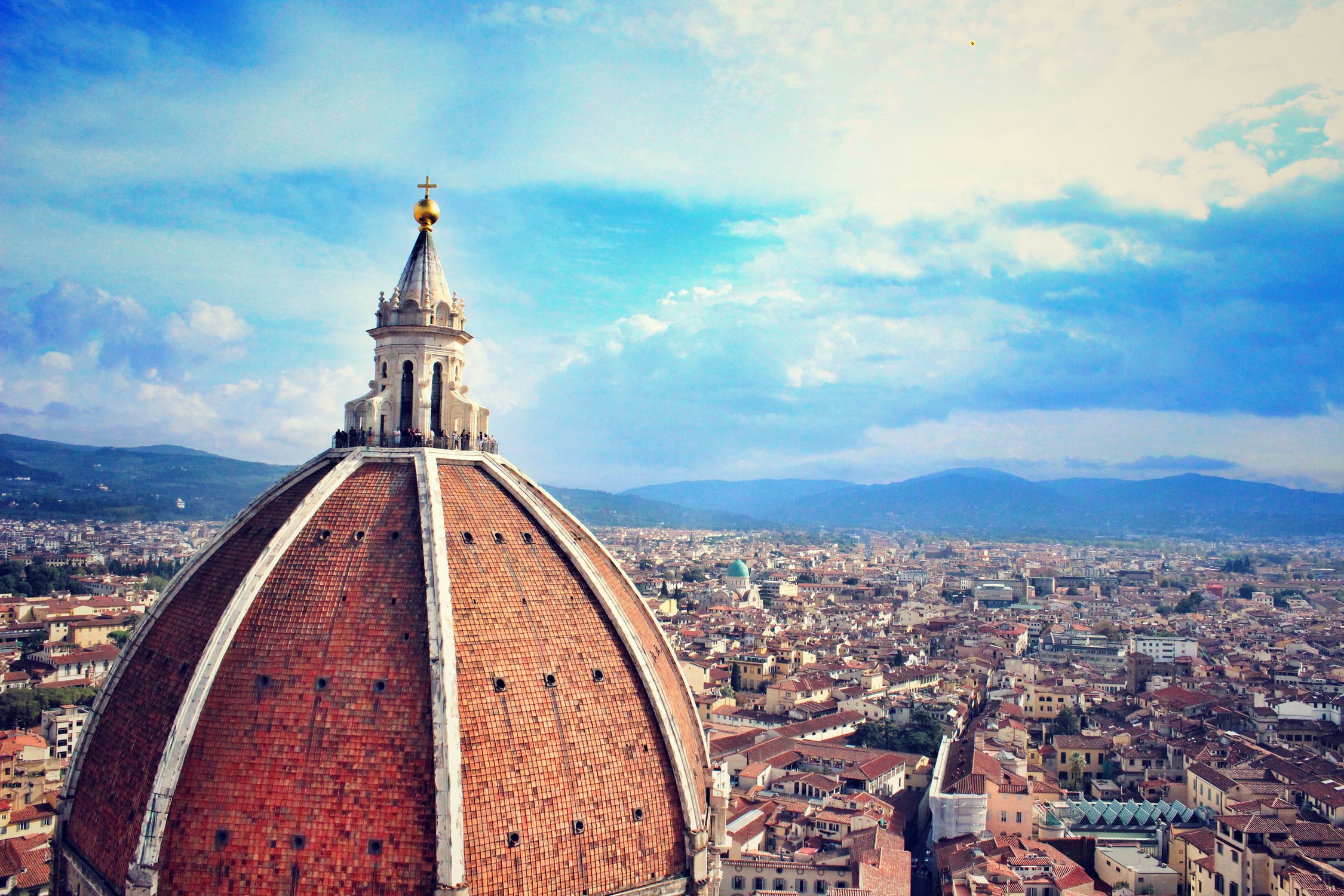
Florence was a centre of medieval European trade and finance and one of the wealthiest cities of that era.[5] It is considered by many academics[6] to have been the birthplace of the Renaissance, and has been called "the Athens of the Middle Ages".[7] Its turbulent political history includes periods of rule by the powerful Medici family and numerous religious and republican revolutions.[8] From 1865 to 1871 the city served as the capital of the Kingdom of Italy (established in 1861). The Florentine dialect forms the base of Standard Italian and it became the language of culture throughout Italy[9] due to the prestige of the masterpieces by Dante Alighieri, Petrarch, Giovanni Boccaccio, Niccolò Machiavelli and Francesco Guicciardini.
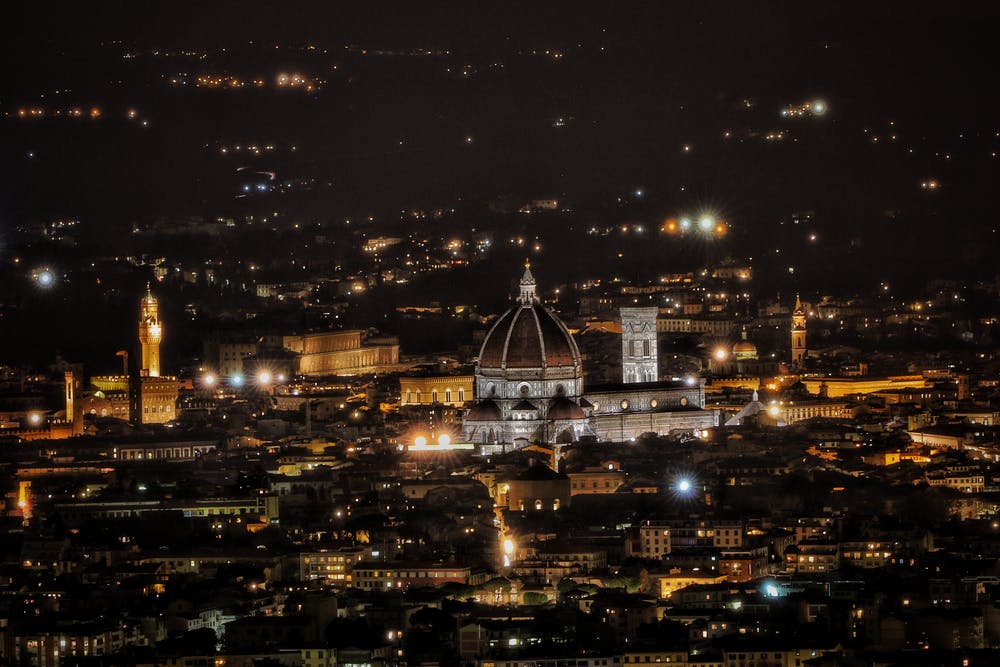
Florence plays an important role in Italian fashion,[11] and is ranked in the top 15 fashion capitals of the world by Global Language Monitor;[13] furthermore, it is a major national economic centre,[11] as well as a tourist and industrial hub. In 2008 the city had the 17th-highest average income in Italy.[14]
Florence originated as a Roman city, and later, after a long period as a flourishing trading and banking medieval commune, it was the birthplace of the Italian Renaissance. It was politically, economically, and culturally one of the most important cities in Europe and the world from the 14th to 16th centuries.[10]
The language spoken in the city during the 14th century came to be accepted as the model for what would become the Italian language. Thanks especially to the works of the Tuscans Dante, Petrarch and Boccaccio, Florentine dialect, above all the local dialects, was adopted as the basis for a national literary language.
Starting from the late Middle Ages, Florentine money—in the form of the gold florin—financed the development of industry all over Europe, from Britain to Bruges, to Lyon and Hungary. Florentine bankers financed the English kings during the Hundred Years War. They similarly financed the papacy, including the construction of their provisional capital of Avignon and, after their return to Rome, the reconstruction and Renaissance embellishment of Rome.